 Witchonomics
Sage
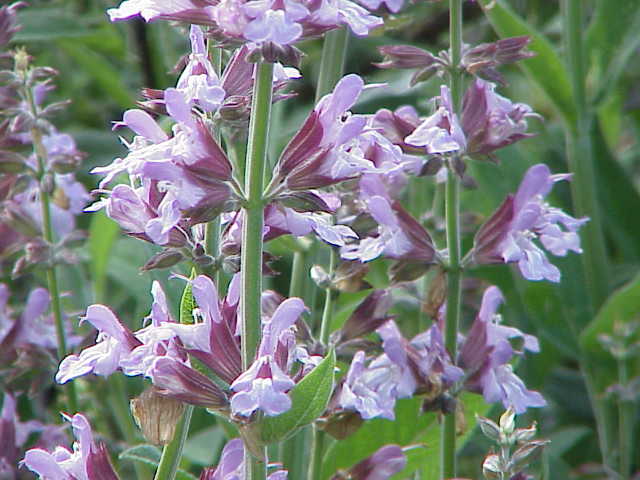
A hardy grey-green shrub with soft, pebbled leaves and a warm, savory scent. Its name means to be saved or healthy.
In the garden
Full sun, light well-drained soil, little water. Cut back by a third each spring to keep it from turning woody.
In the kitchen
Fry the leaves in butter for pasta, or add to stuffing, sausages and roasted squash.
Take care
- Food amounts are fine. Common sage contains thujone, so large amounts or long daily use are not advised.
- Traditionally avoided in larger amounts during pregnancy and while nursing.
Folklore and garden information only, not medical advice. Do not eat or use any plant unless you are certain what it is and that it is safe for you. Ask a doctor or pharmacist first, especially if you are pregnant, nursing, on medicine, or choosing for children or pets.
Where to buy
Dried herb
Seeds
Live plants
Folklore and old traditions are in the app
The stories, lore and old traditions for Sage are part of Plus. The growing notes and safety information stay free. In the app you can also add Sage to My Garden or My Pantry.